

In a world where technology reigns supreme, coding isn’t just a skill; it’s practically a superpower. Imagine transforming from a mere mortal into a digital wizard, conjuring up apps and websites with just a few keystrokes. With coding schooling, anyone can unlock this magic.
Gone are the days when coding was reserved for tech geeks in dark basements. Today, coding schools are popping up like trendy coffee shops, offering a fun and engaging way to learn. Whether you’re looking to switch careers or just want to impress your friends with your newfound skills, coding schools provide the perfect blend of knowledge and creativity.
What Is Coding Schooling?
Coding schooling refers to educational programs designed to teach individuals computer programming skills. Various institutions offer these programs, including boot camps, online courses, and specialized schools. A focus on practical skills sets coding schooling apart from traditional education methods.
Students learn to create applications, websites, and software through hands-on projects. Such programs accommodate various learning styles, allowing for both full-time and part-time study options. Many coding schools emphasize collaboration, enabling students to work on group projects and share knowledge.
Graduates often find themselves well-prepared for job opportunities in tech, as many coding schools maintain strong industry connections. Some schools offer job placement assistance, helping students transition into the workforce. According to recent studies, coding graduates experience higher employment rates than those from traditional degree programs.
Most coding schools cover a range of programming languages and technologies. Popular languages taught include Python, JavaScript, HTML, and CSS. Students often dive into frameworks and tools that enhance their coding capabilities. Additionally, some programs integrate soft skills training, promoting communication and teamwork.
In recent years, online coding schools have gained prominence, providing flexibility for learners around the world. Many individuals choose this path due to its accessibility, allowing them to learn at their own pace. Coding schooling has transformed into a vital option for those looking to switch careers or upskill in a competitive job market.
Benefits Of Coding Schooling
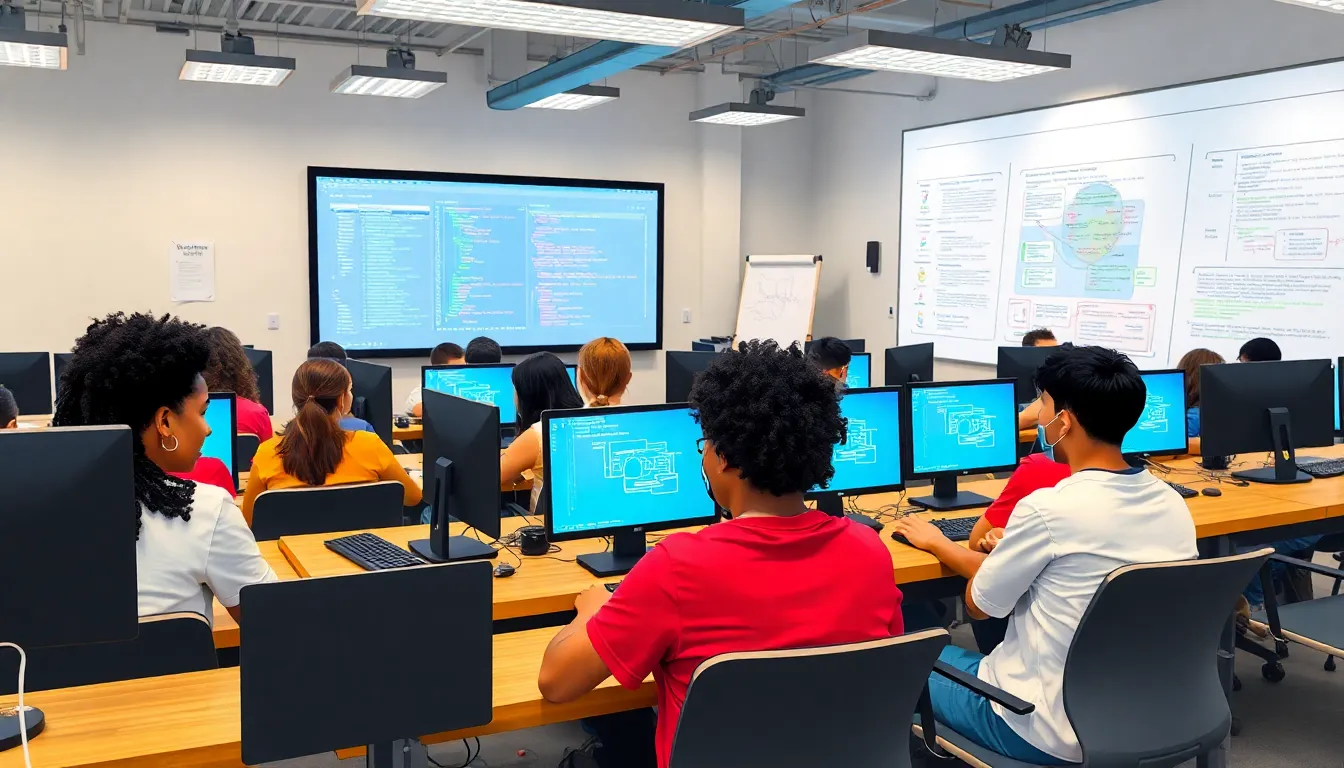
Coding schooling provides significant advantages for learners entering the tech industry. Many students enjoy expanded career opportunities post-graduation.
Career Opportunities
Career opportunities abound for coding school graduates. Job markets increasingly seek candidates with relevant programming skills. Software development, web development, and data analysis represent high-demand fields. Graduates often find positions at tech companies, startups, and various industries requiring technology-driven solutions. High placement rates are common, with many schools offering dedicated career services. Networking events connect students with employers, enhancing job prospects even further. Notably, the tech industry typically offers competitive salaries, making coding an attractive career choice.
Skill Development
Skill development stands out as a core benefit of coding schooling. Programs focus on teaching practical programming skills, including popular languages like Python and JavaScript. Learners engage in hands-on projects, which reinforce concepts and improve retention. Collaboration among peers enhances problem-solving abilities, fostering a supportive learning environment. Additionally, coding schools often integrate soft skills training, preparing students for diverse workplace situations. Continuous learning encourages adaptability, essential in tech’s fast-paced environment. Overall, coding schooling equips individuals with the technical and interpersonal skills vital for career success.
Choosing The Right Coding School
Selecting the appropriate coding school can significantly impact learning outcomes and career advancement. Understanding various options helps streamline the decision-making process.
Types Of Coding Schools
Boot camps, online schools, and community colleges represent common types of coding schools. Boot camps offer intensive, short-term programs that emphasize hands-on learning. Online coding schools provide flexibility, allowing learners to study at their own pace and access resources from anywhere. Community colleges offer degree programs that combine coding with foundational subjects. Each type addresses different learning preferences and career goals, ensuring diverse pathways into the tech industry.
Factors To Consider
Curriculum quality ranks highly when choosing a coding school. Investigate programs that cover in-demand languages like Python and JavaScript. Job placement rates also matter; schools with strong industry connections typically offer better opportunities for graduates. Additionally, consider learning format preferences, such as full-time or part-time options. School reputation and alumni success contribute to informed decisions. Networking opportunities enhance professional connections and should not be overlooked.
The Curriculum Of Coding Schools
Coding schools focus on a comprehensive curriculum designed to equip students with essential programming skills. Students engage in learning various coding languages and hands-on projects, ensuring a practical understanding of concepts and real-world applications.
Essential Coding Languages
Popular programming languages feature prominently in coding school curriculums. Python stands out due to its simplicity and versatility, making it ideal for beginners. JavaScript is also crucial as it powers many web applications and enhances user interfaces. Additional languages, such as Ruby and Java, frequently appear, allowing students to choose paths aligned with their interests and career goals. Proficiency in these languages often translates into better job prospects, as the demand for skilled programmers continues to rise across industries.
Project-Based Learning
Project-based learning drives the curriculum in coding schools. Students participate in collaborative projects that simulate real-world challenges, fostering problem-solving skills and teamwork. These projects often culminate in portfolios, showcasing students’ work to potential employers. Engagement in hands-on tasks helps reinforce theoretical concepts, enhancing retention through practical application. Many coding programs emphasize building applications or websites, providing a tangible outcome that demonstrates the skills students have acquired. This experiential approach not only prepares them for the job market but also boosts their confidence in their programming abilities.
Coding schooling is more than just a trend; it’s a gateway to exciting career opportunities. With the right program, individuals can transform their passion for technology into a rewarding profession. The emphasis on practical skills and collaboration prepares students for the demands of the tech industry.
Choosing the right coding school is crucial for maximizing learning and career potential. By considering factors like curriculum quality and job placement rates, prospective students can make informed decisions that align with their goals. As coding continues to be an essential skill in today’s job market, investing in coding education can lead to a brighter future.